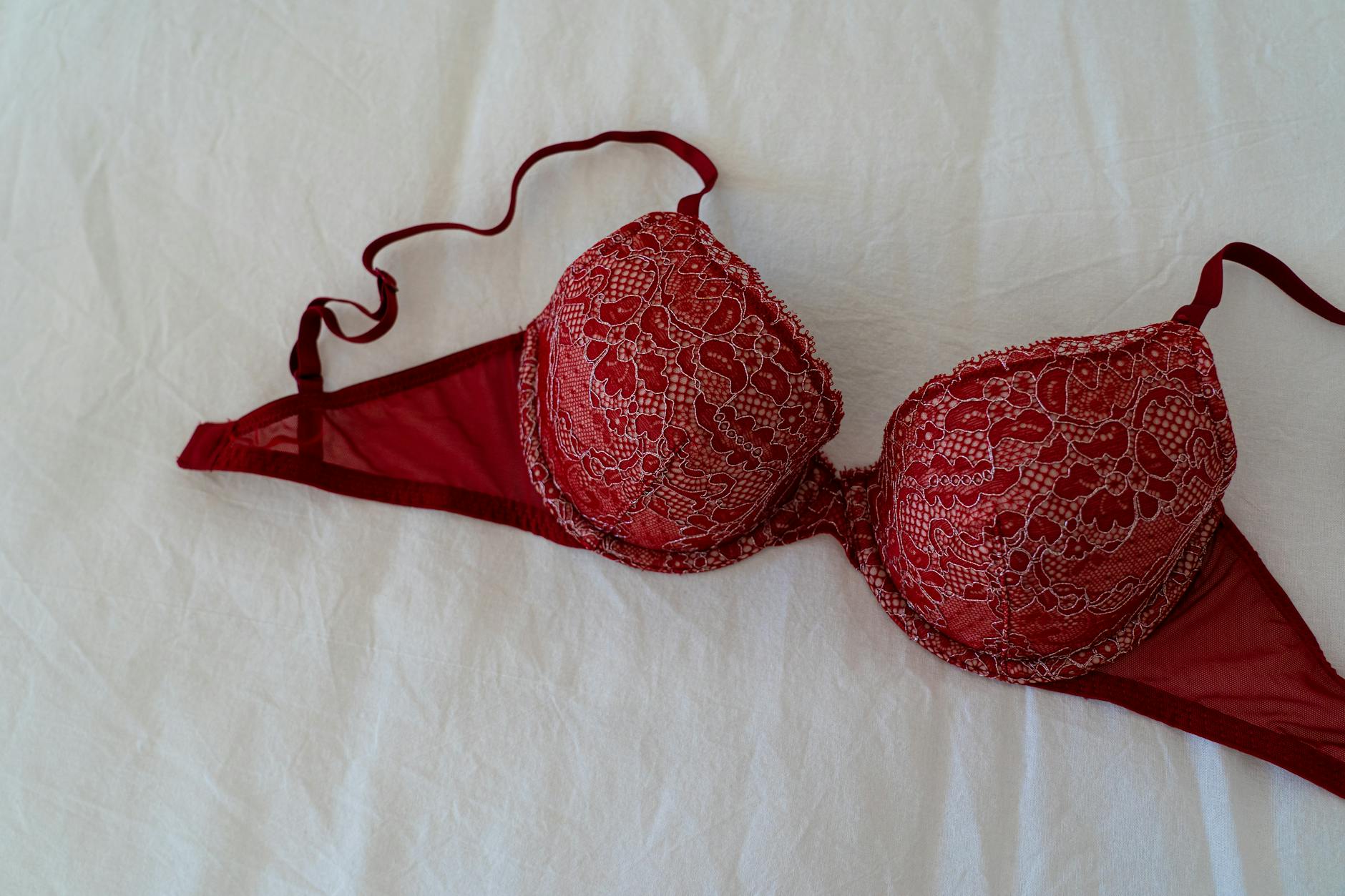
Why Your Favorite Bra Stops Fitting the Same After a Year
Your size usually hasn't changed. The band has stretched, and a five-minute hook-row test tells you whether to adjust, replace or re-measure.
You bought the same size, in the same style, from the same brand, and a year later it doesn't feel the same. The straps slip, the back creeps up toward your shoulder blades, and the cups don't sit where they used to. It's easy to decide your size has changed. Most of the time it hasn't: the band has stretched, and the band is the part of a bra that does most of the supporting. Once you know how to check the band, you can tell in about five minutes whether to adjust it, replace it, or get re-measured.
The band does the work, so it fails first
Photo by Castorly Stock via Pexels
People tend to think the straps hold a bra up. They don't do much. The band, the elastic strip that runs around your ribcage, carries most of the weight, and the straps mainly keep the cups in position. That's why a well-fitted bra still feels secure with the straps slipped off your shoulders.
The band is also the part under the most constant tension. It's stretched every time you put the bra on, it moves every time you breathe or bend, and it goes through every wash. The elastic in it slowly loses the ability to spring back. The fabric looks the same and the size label still says what it said, but the band is now longer when it's relaxed, so it sits looser on the same body.
When the band loosens, everything else starts going wrong. The back rides up, the front drops, the cups tip forward and gape or spill, and you tighten the straps to make up for it, so they dig in. Those look like five separate problems. They usually come from one.
The hooks are there for this
The row of hook-and-eye columns at the back is a stretch allowance, not a choice of sizes. A new bra is meant to fit snugly on the loosest set of hooks. As the elastic relaxes, you move one column tighter, and later to the tightest. That's the design: one band that stays usable for longer.
So a band that has loosened isn't necessarily finished. The question is how much allowance you have left. And if you've been wearing your bras on the tightest hook from day one, the band was probably too big to begin with, and you've had no room to adjust since you bought it.
The hook-row test
Do this with the bra you reach for most, because it's the one that has worn fastest.
- Check which hooks you're on. Fasten the bra the way you normally do and notice which column you've used.
- Do the raised-arms check. Lift both arms straight over your head, then lower them. If the band at the back has slid up toward your shoulder blades, it's too loose. It should stay level, roughly in line with the front.
- Do the pull check. Hook a finger under the band at the middle of your back and pull it away from your body. You want snug, not tight: a finger or two should slide under it, and it shouldn't pull far away easily.
- Do the snap-back check. Take the bra off and gently stretch a section of the band, then let go. Healthy elastic returns flat straight away. Worn elastic looks wavy or puckered, stays slightly stretched, or shows thin rubbery threads poking through the fabric.
- Lay it next to a newer one. If you own a newer bra in the same size and style, lay both flat, fastened, without stretching them. If the older band is visibly longer, you've measured the stretch directly.
Adjust, replace, or re-measure: the decision rule
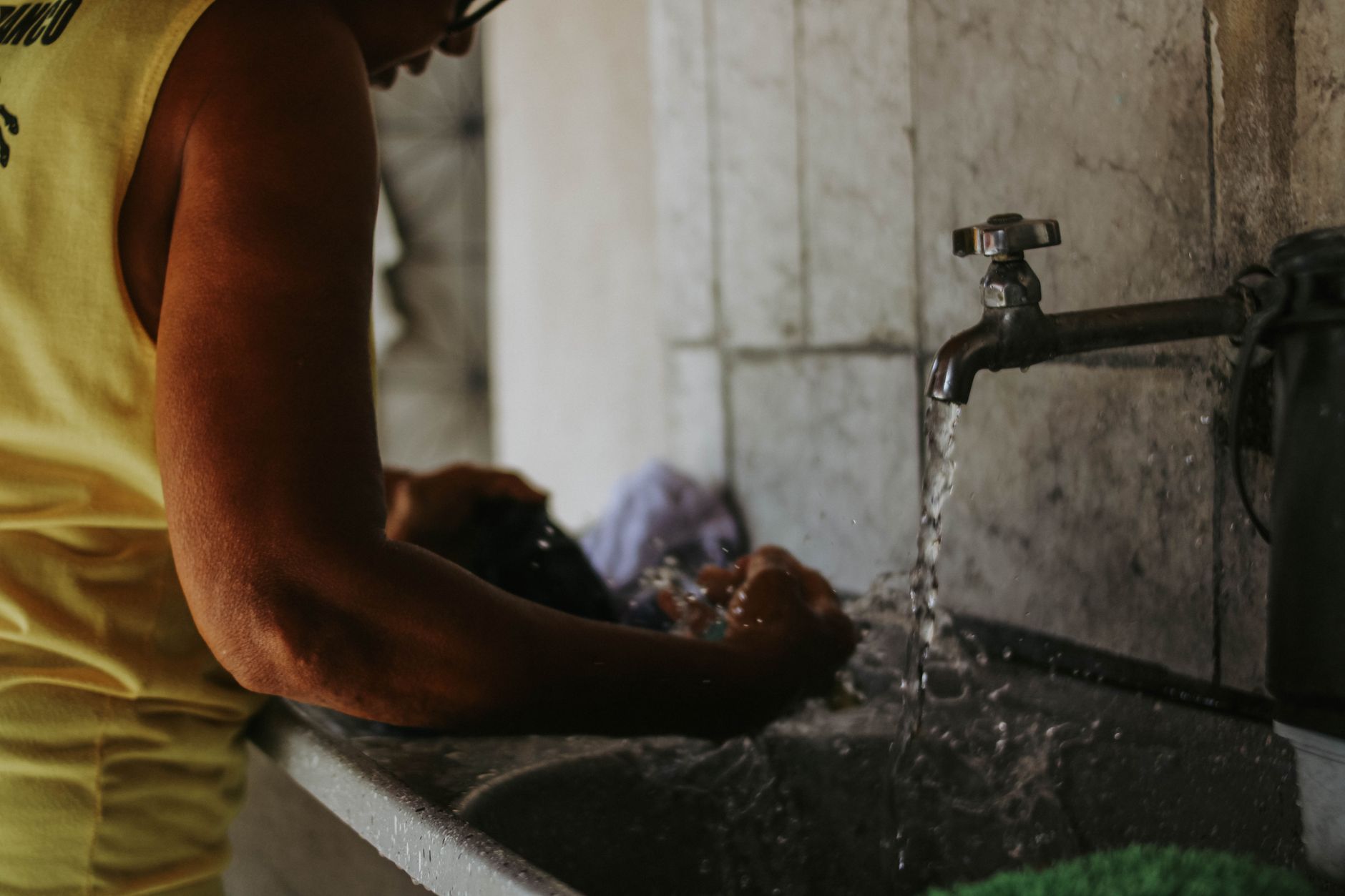 Photo by Gabriel Frank via Pexels
If the band rides up but you're not on the tightest hook yet, adjust. Move one column tighter and do the raised-arms check again. If it now stays level, you're done.
If you're already on the tightest hook and the band still rides up, replace it. You've used up the allowance. Taking in the straps won't fix this, because straps can't do the band's job.
If the snap-back check shows wavy, puckered or exposed elastic, replace it, whatever hook you're on. The elastic is broken down and will only get looser.
If the band passes every check but the cups are the problem, think about re-measuring. Gaping or spilling cups on a band that's still snug points to a real change in size or shape, or to a cup style that doesn't suit you. That's the moment to get measured again, not before.
If a wire is poking through, or the fabric has torn at the center or the sides, replace it. Those aren't fit problems, and no adjustment will fix them.
One sizing detail helps when you replace a stretched bra. If you go down a band size because the old one was always too loose, go up a cup letter to keep the same cup volume. A 36C and a 34D are "sister sizes": the cups hold roughly the same amount, and the band on the 34 is shorter. Going down a band without changing the cup usually makes the new cups feel too small.
- A loose band is the usual cause of slipping straps, a back that rides up and gaping cups, all at once.
- Not on the tightest hook yet: move tighter. On the tightest hook and still riding up: replace.
- Re-measure only when a snug, healthy band still comes with cups that don't fit.
What actually wears the elastic out
You can't stop elastic from ageing, but a few habits speed it up a lot.
Heat. Tumble drying is one of the quickest ways to ruin a bra band. Elastic doesn't cope well with high heat, and putting bras in the dryer to save time is the habit most worth dropping.
Wearing the same one every day. Elastic recovers some of its shape when it gets a rest between wears. A bra you wear every day never gets that rest. Even two bras swapped daily will wear more slowly than one.
The washing machine drum. Loose hooks catch on other clothes and pull the band out of shape, and wires can work loose. Fastening the hooks before washing and using a mesh bag on a gentle, cool cycle cuts down most of that.
Twisting it on. Fastening the hooks at the front and twisting the band round to the back stretches and rubs the elastic every single morning. If you can fasten it at the back, do that. If you can't, hook it at the front and slide it round with the band slightly loosened rather than pulled tight.
How to wash and dry so the next one lasts
 Photo by Ron Lach via Pexels
Hand washing in cool water with a mild detergent is the gentlest option, and it takes a couple of minutes: soak, press the suds through, rinse, and press out the water without wringing the band. If you use the machine, fasten the hooks, put the bra in a mesh bag, and choose a cool, gentle cycle.
Dry it flat, or hang it over a drying rack by the center piece between the cups. Don't hang a wet bra by its straps, because the weight of the water pulls on the strap elastic while it dries.
For storage, keep molded cups in their natural shape. Nest one cup inside the other, or line the bras up in a drawer, rather than folding one cup inside out. A folded molded cup can crease permanently, and then it won't sit smoothly however good the band is.
Buying the replacement without repeating the problem
When you try on a new bra, fasten it on the loosest hooks and do the raised-arms check in the fitting room. If it only feels secure on the tightest hooks, the band is too big for you, even though it seems to fit today. It has nowhere left to go, so try the next band size down and go up a cup.
Don't assume the size on your old label carries over. Sizes vary between brands, and often between styles from the same brand, so the number is a starting point and the hook-row test decides.
Two practical habits make the next check easier. Buy at least two of anything you wear often, so you can rotate them. And write the month and year of purchase on the care label with a fabric marker. When the band starts riding up, you'll know whether it lasted unusually well or wore out early, and that tells you whether your washing habits are working.
A five-minute check to do today
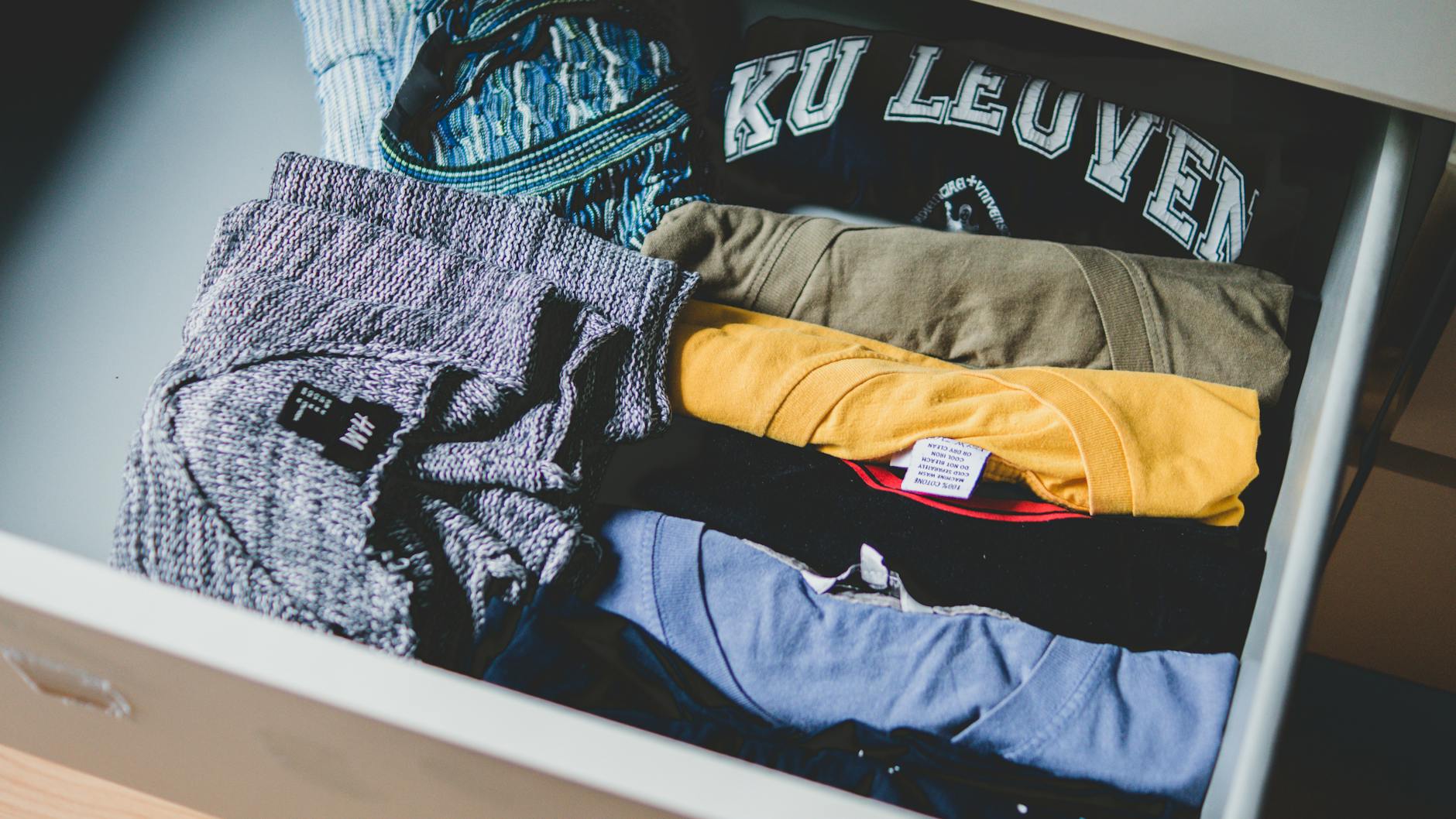 Photo by Francesco Paggiaro via Pexels
Pick out the bras you actually wear, ignoring the ones that live at the back of the drawer, and put each one through the same quick routine. Fasten it the way you normally do, raise your arms, and see whether the band stays level. Then take it off and do the snap-back check. Sort them into three piles: move it a hook tighter, replace it, or keep it as it is.
If the replace pile is bigger than you expected, that's useful to know too. It means the uncomfortable fit you've been putting up with was coming from the bras, not your size, and the next ones you buy can be fitted on the loosest hooks with room to last.
Frequently asked questions
Which hook should a new bra fit on?
The loosest set. The extra columns are there so you can move tighter as the elastic relaxes with wear. A new bra that only feels secure on the tightest hooks has a band that's too big for you, with nowhere left to go.
How do I know when a bra needs replacing rather than adjusting?
If you're already on the tightest hook and the band still rides up when you raise your arms, replace it. Do the same if the band looks wavy or puckered, stays stretched after you pull it, or has elastic threads showing, or if a wire has worked its way through the fabric.
Should I just tighten the straps if my bra feels loose?
Only if the straps themselves have loosened and the band still passes the raised-arms check. If the band is loose, tighter straps just dig into your shoulders and pull the back up further, because straps can't do the band's job.
What does it mean to go down a band and up a cup?
Cup volume is tied to band size, so a 36C and a 34D hold roughly the same amount. If you need a shorter band, going up one cup letter keeps the cups the same size. These are called sister sizes.


